The Deliberate Nightstand: Four Principles for a Calmer Bedside Surface
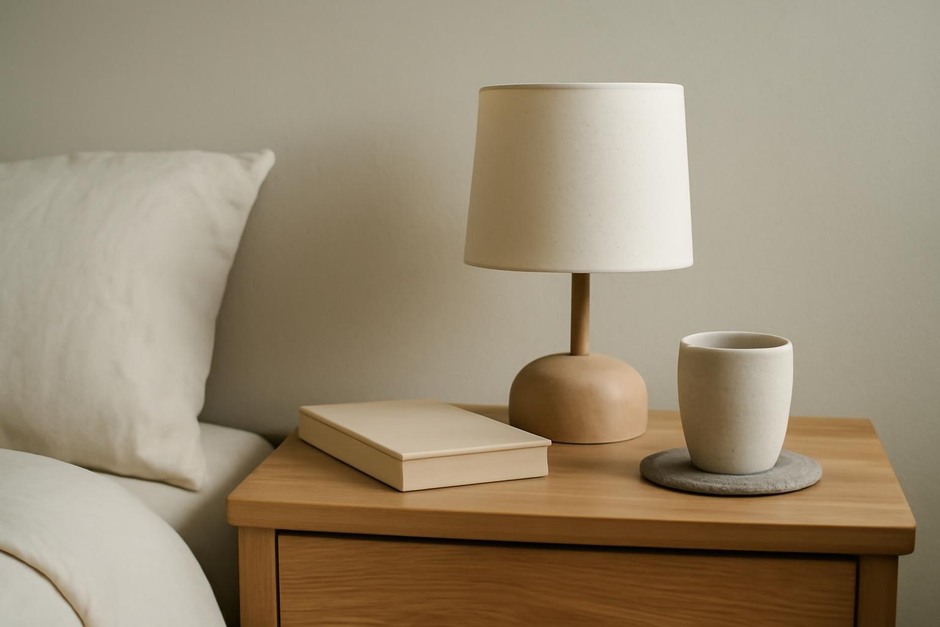
There is something quietly revealing about the surface beside your bed. A scatter of objects can show how you sleep, read, wake, and pause—sometimes more clearly than a tidy wardrobe or a styled living room. Rather than chasing a single ideal, approaching the nightstand with a few clear principles and small experiments makes it possible to shape that surface so it supports the moments you want: falling asleep, waking slowly, and small acts of care.
1. Prioritize function: choose fewer objects with clear roles
A nightstand is most helpful when each object serves a distinct purpose. Start by listing what you actually use there over a week: a lamp, a phone charger, a glass of water, a current book, reading glasses. Remove duplicates and items that belong elsewhere (keys, unrelated mail). The principle is intentional omission: fewer things, clearer use.
Small experiment: limit the surface to four items. Try a simple set—lamp, water vessel, reading material, small tray for nightly essentials—and live with it for seven nights. Note which item you reach for most and whether anything feels missing. That note will guide small adjustments without adding clutter.
2. Respect scale and negative space
Scale affects calm. A tiny trinket can look lost beside a large lamp; a tall lamp can dominate a narrow table. Aim for a balanced composition where negative space (the empty area) is considered an asset, not an absence. Negative space gives your eye and your hand a place to rest.
Practical example: place the lamp off-center rather than dead-center, leave an empty margin, and use a low tray to group smaller items. If you have a paperback, lay it flat under the glasses; if you prefer a vertical book, pair it with a low dish so heights differ and the arrangement feels intentional.
3. Choose materials that invite touch and ease maintenance
Material choices affect how you interact with your nightstand. Smooth ceramic, warm wood, soft fabric, or cool metal each suggest a different habit. A heavy ceramic mug stays put; a thin glass risks tipping. A woven coaster absorbs condensation and reduces rings. Prioritise surfaces and objects that are pleasant to touch and easy to keep clean.
Micro-example: replace a felt coaster with a small wooden saucer and notice whether you drink more water in the night. Swap a shiny plastic tray for a matte enamel or ceramic dish and observe whether dust and fingerprints are less distracting. These small tactile swaps influence the overall experience more than changing large furniture.
4. Design simple day/night modes and a quick-reset habit
Consider how the nightstand works at two moments: before sleep and after waking. A deliberate day/night routine keeps the surface both useful and uncluttered. Create a small ritual for transition—perhaps placing daily glasses back in a tray each morning and setting out a fresh glass of water each night.
Try this two-step reset: in the morning, return any used items (glasses, cup) to their homes and fluff one bedside textile (a small throw or pillow). In the evening, set only the items you need for sleep on the tray and dim the lamp. This 90-second habit preserves the calm you built and prevents accumulation.
Bringing the principles together
Combine the four principles into a single, testable setup. Example setup: a low wood tray (material) placed slightly to the right (scale), holding a small ceramic glass and a slim paperback (function). A warm metal lamp sits to the left. In the morning, remove the book and return the glass to the kitchen; in the evening, place a fresh glass and the book back onto the tray (day/night mode). Live with this arrangement for two weeks and make one small change based on what feels off.
Measured changes, not wholesale redesigns, honor how we actually live. The nightstand is a tiny stage for recurring human rituals—reading, pausing, hydrating, and waking. By applying these principles and running short experiments, you can shape that stage to support the rhythm you want without creating new chores. Over time the surface becomes less about decoration and more about a few careful choices that quietly improve daily life.